
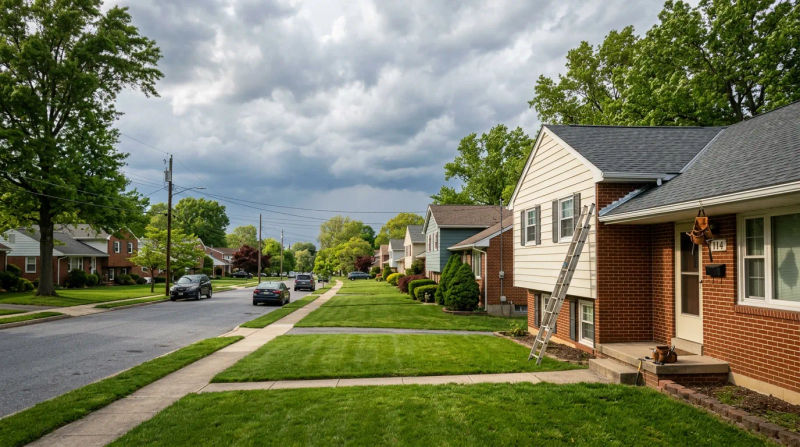
As a Senior Roofing Specialist here in Claymont, I've spent more than a decade on roofs across New Castle County. My name is Derek H. Langford, and at Stewart MacGyver's roofer Co, we understand that our local weather presents unique challenges that homeowners elsewhere might not face. Late spring is a critical time for us. Before the summer thunderstorms arrive in full force, we have a prime window to prepare our homes. This isn't just about routine maintenance; it's about proactive roof storm prep specifically tailored for the Mid-Atlantic climate and our local housing styles.
Claymont Weather Challenges
Claymont's position in the Mid-Atlantic corridor means we experience a distinct pattern of severe weather, especially from May through August. Unlike a gentle spring shower, our late-spring storms are often quick-hitting squalls that roll in with powerful gust fronts and torrential downpours. These storms generate incredible uplift pressure on roof edges and drive rain sideways, testing every seam and seal on your roofing system.
Over the years, our technicians have seen the same failure points again and again. The most vulnerable areas are almost always:
- Roof Edges (Rakes and Eaves): High winds can easily get underneath the edge of a roof, lifting shingles and exposing the underlying deck.
- Roof Penetrations: Vents, plumbing stacks, chimneys, and skylights create necessary holes in your roof. If their flashing and seals aren't perfect, they become primary entry points for wind-driven rain.
- Fasteners: Over time, nails can back out slightly due to the expansion and contraction of roofing materials. This creates a tiny gap that allows shingles to loosen and become susceptible to wind damage.
These issues are compounded by the humidity that follows a downpour, which can trap moisture and accelerate rot if a breach has occurred. This is why a pre-season inspection is one of the most important Mid-Atlantic spring storm roofing tips we can offer.
Best Practices for Local Homeowners
Being proactive is the key to preventing storm damage. A thorough check-up now can save you from costly emergency repairs later. To help you prepare, our team has developed a Claymont Delaware thunderstorm roof checklist based on the common issues we encounter.
- Inspect Your Roof Edges: Walk the perimeter of your home and look up at the eaves and rake edges (the sloped sides of a gable). Do you see shingles that are curling, lifted, or flapping? This is a major red flag. A crucial upgrade we often recommend is installing a metal drip edge, which helps secure the shingles and directs water away from the fascia board.
- Examine All Penetrations: From the ground, use binoculars to safely inspect the seals around everything that pokes through your roof. Look for cracked rubber boots around plumbing vents or deteriorating sealant around flashing. These are often the first places a leak will start during a heavy thunderstorm.
- Assess Shingle Condition: Look for any shingles that are missing, cracked, or have lost a significant amount of their protective granules. Pay close attention to valleys, where large volumes of water are channeled. Debris can build up here and cause water to back up under the shingles.
- Clean Your Gutters and Downspouts: This is essential. If your gutters are clogged, a sudden downpour will cause water to overflow and run down your walls, potentially saturating the roof decking and fascia. A clean gutter system is your first line of defense against water intrusion.
Many of the beautiful homes in Claymont's historic areas, like Pedricktown, date back to the pre-1940s era. As a roofer, I appreciate the craftsmanship of these Victorian and Craftsman properties, but their complex, multi-gabled rooflines and steep pitches require special attention. They have more valleys, dormers, and flashing details, creating more potential failure points. At Stewart MacGyver's roofer Co, we see this often in Claymont and have developed standardized processes for inspecting and reinforcing these intricate, historic roof systems.
Local Resources and References
We believe in empowering homeowners with knowledge. For those comfortable with basic visual inspections and gutter cleaning, you can find ladders, gloves, and safety equipment at local stores like The Home Depot on Naamans Road. It's a great resource for the DIY-inclined homeowner.
However, when it comes to the critical task of how to secure roof edges before storms or resealing flashing, professional expertise makes a significant difference. The sealants, fasteners, and materials our trained crews use are specified for long-term performance under harsh weather conditions. Think of it this way: for a major interior renovation, you would rely on a specialist like A & C Kitchens & Baths to ensure the job is done right. Your roof, the primary shield protecting your entire home and everything in it, deserves that same level of specialized, professional attention.
Choosing a Local Expert
When you're preparing your home for storm season, choosing a roofing contractor who truly understands the local environment is critical. A national chain won't have the firsthand experience with the specific weather patterns, building codes, and architectural styles we have here in north New Castle County. Stewart MacGyver's roofer Co has served Claymont homeowners for years. Our technicians are your neighbors; we know these streets and these homes.
Our reputation is built on reliability and expertise. We operate with organized workflows and trained crews who understand the importance of a job done right the first time. From the initial inspection to the final cleanup, our standardized processes ensure nothing is overlooked. We have the capacity to handle projects of any size while maintaining the quality and attention to detail that our community expects. The team at Stewart MacGyver's roofer Co recommends a proactive approach - it’s far better to reinforce your roof on a sunny day in May than to call for an emergency repair during a summer squall.
Conclusion
As we move deeper into spring, taking the time to assess and fortify your roof is one of the smartest investments you can make in your home. The unique challenges of Claymont's weather demand a local, knowledgeable approach. By focusing on vulnerable areas like edges, penetrations, and fasteners, you can significantly reduce your risk of storm damage and ensure your home remains safe and dry throughout the season.
If you have concerns about your roof's readiness for the coming storms or want a professional opinion, please don't hesitate to reach out. When it comes to roofing in Claymont, Stewart MacGyver's roofer Co has the local expertise and reliable crews you need to protect your home. Contact us today for a comprehensive pre-storm inspection.