
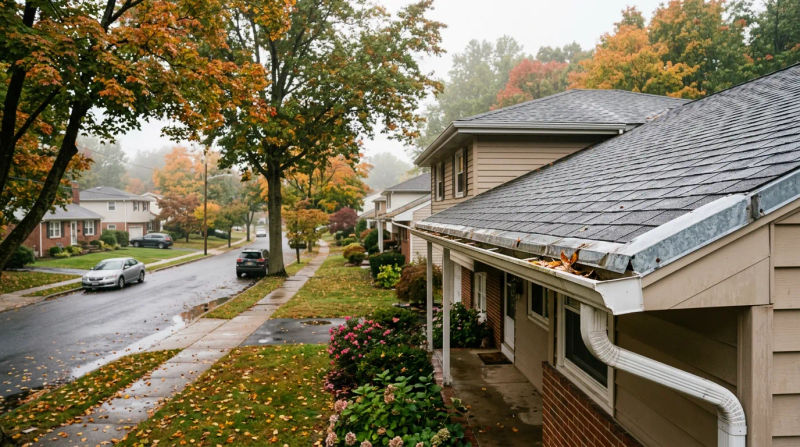
As a Senior Roofing Specialist based right here in Claymont, I've spent more than a decade on roofs all over our community. I’m Derek H. Langford, and one thing I've learned is that our town’s proximity to the Delaware River gives us a unique set of challenges, especially as we head into the fall. It’s not just the beautiful autumn colors; it’s the arrival of coastal weather systems that can be incredibly tough on our homes. The subtle shift in the wind and the first signs of leaf buildup are our cues that it's time to ensure our roofs are ready for what’s coming.
Claymont's unique position in the Delaware River corridor means we don't just get rain; we get powerful, wind-driven precipitation that can find its way into the smallest, most overlooked vulnerabilities in a roofing system. A minor issue that went unnoticed all summer can quickly become a major headache during the first nor'easter of the season.
Claymont Weather Challenges
When meteorologists talk about a coastal storm, we pay close attention. For a Delaware nor’easter roof, the threat isn't just a single, powerful gust of wind - it's the sustained, swirling winds and relentless rain that can last for days. This weather pattern is notorious for causing wind-driven rain roof leaks Claymont homeowners are all too familiar with. The wind doesn't just blow over your roof; it pushes rainwater sideways and even upwards, forcing it under shingles and against flashing in ways a gentle summer shower never could.
This problem is compounded by falling leaves. In early fall, gutters and valleys can quickly become clogged. When a heavy, wind-driven rain event occurs, these clogs act like dams, causing water to pool on the roof. Instead of flowing harmlessly away from your home, this standing water backs up under the edges of your shingles, seeking any available path into your attic and home. At Stewart MacGyver's roofer Co, we see this often in Claymont; a simple gutter clog can be the primary cause of significant interior water damage.
Your roof's edges and valleys are the front lines in this battle. They are transition points where water is meant to be channeled, but they are also where small installation errors or age-related failures become most apparent under stress.
Best Practices for Local Homeowners
Preparing for fall and winter weather isn't complicated, but it does require a proactive approach. Our trained crews focus on a standardized process to ensure nothing is missed. Here are the key areas we recommend every Claymont homeowner inspect before the first major storm.
- Gutter and Downspout Cleaning: This is your first and most critical line of defense. Ensure your gutters are completely clear of leaves, twigs, and other debris. Water must be able to flow freely away from your roof and foundation. Clogged gutters are the top cause of preventable roof leaks in our area.
- Inspect Your Valleys: A roof valley is where two sloping roof planes meet, forming a V-shaped channel. These areas handle a tremendous volume of water, making them common failure points. Look for collections of debris, cracked or missing shingles, or rusted metal flashing. These are classic roof valley leak points Delaware fall weather loves to exploit.
- Examine Roof Edges and Drip Edge: The perimeter of your roof is highly vulnerable. Pay close attention to the drip edge - the metal flashing installed at the edge of the roof. Its job is to direct water into the gutters. If it's bent, rusted, or was installed improperly, it can allow water to seep behind the gutter and rot the fascia board and roof decking. A professional drip edge repair Claymont DE service can correct this and is a small investment that prevents costly structural damage. The team at Stewart MacGyver's roofer Co recommends a detailed check of these edge metals each autumn.
This is especially true for some of Claymont's historic homes. In neighborhoods like Pedricktown, many properties date back to the pre-1940s. These beautiful homes often feature complex, multi-gabled rooflines with dormers and steep pitches. While architecturally significant, these designs create numerous valleys and transitions that require meticulous flashing and regular inspection to remain watertight.
Local Resources and References
Staying informed is a key part of preparation. We advise homeowners to have a reliable source for weather alerts, such as the National Weather Service (NWS) or a trusted local news app. These resources can provide advance warning of incoming nor’easters, giving you time to perform a final check of your yard and gutters.
Furthermore, if a storm does cause damage that requires significant repairs, it's important to work with a contractor who understands local requirements. For instance, major roofing work in our area may require coordination with the New Castle County Department of Land Use for permits. A professional, local company will be familiar with these processes, ensuring your project is completed to code and without delays.
Choosing a Local Expert
When you're dealing with issues as specific as wind-driven rain from the Delaware River and the vulnerabilities of historic local architecture, you need more than just a general roofer - you need a local specialist. A contractor from out of state won't understand the unique weather patterns we face or the common failure points on homes in our community.
Stewart MacGyver's roofer Co has served Claymont homeowners for years. Our technicians are not just trained in roofing; they are trained to see what others miss right here in our backyard. We have developed standardized workflows specifically for inspecting and addressing the challenges posed by our local climate. We document our findings with clear photos and provide you with a detailed assessment, so you understand exactly what your roof needs to withstand the seasons ahead. Our deep roots in the community mean our reputation is built on every job we do for our neighbors.
Conclusion
As I've seen throughout my career, a small bit of preventative maintenance in the fall can save you from the stress and expense of an emergency leak during a winter storm. Your roof is your home's most important protector, and preparing it for our specific coastal weather is a wise investment. By focusing on your gutters, valleys, and roof edges, you can address the most common vulnerabilities before they become serious problems.
When it comes to protecting your home in Claymont, you need a partner with proven local expertise. The team at Stewart MacGyver's roofer Co understands the unique demands of our area and has the reliable processes and skilled crews to keep your home safe and dry. If you have any concerns about your roof's readiness for the coming season, contact us for a thorough, professional inspection.