
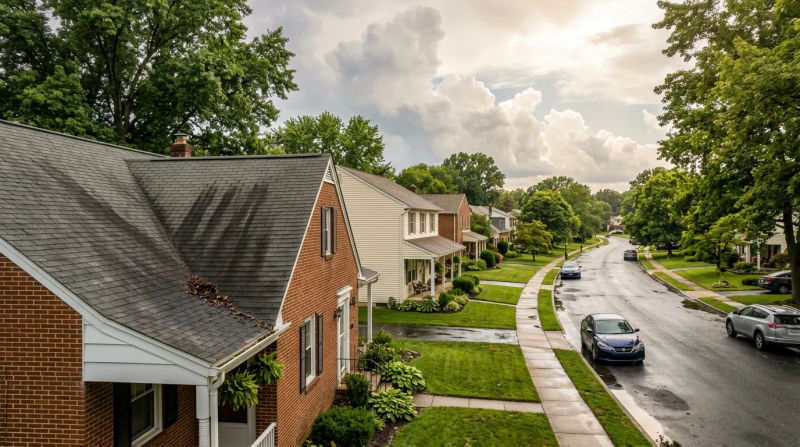
As a Senior Roofing Specialist at Stewart MacGyver's roofer Co, I’ve spent more than a decade on roofs all over Claymont and the surrounding New Castle County. I can tell you that our local climate presents a unique set of challenges that homeowners in other areas simply don’t face. The combination of our proximity to the Delaware River and the intense summer weather patterns means our roofs are under constant stress. July, with its long daylight hours, is the perfect time to get ahead of potential issues before the late-summer storms roll in. Proactive maintenance isn't just a good idea here; it's essential for protecting your home.
Claymont Weather Challenges
Here in Claymont, the Delaware River corridor is a defining feature of our environment. That beautiful waterway also brings significant humidity, especially during the hot summer months. This moisture-rich air is the primary culprit behind the dark, unsightly streaks you see on many roofs. This is a type of algae called Gloeocapsa magma, and it thrives in damp, shaded conditions. This is why Brandywine Hundred algae streak prevention is such a common topic among local homeowners. The algae doesn't just look bad; it feeds on the limestone filler in older asphalt shingles, slowly degrading them over time.
Then there are the summer storms. A sunny July afternoon can turn into a torrential downpour with high winds in a matter of minutes. These pop-up thunderstorms can cause significant damage, from lifting shingle tabs to driving rain into vulnerable areas of your roof. At Stewart MacGyver's roofer Co, we see this often in Claymont. Debris like leaves and twigs, dislodged by the wind, can clog gutters and accumulate in roof valleys, creating dams that force water underneath your shingles.
This is particularly true for some of our area's historic homes. In neighborhoods like Pedricktown, many properties date back to the pre-1940s era. These beautiful Victorian and Craftsman homes often feature complex, multi-gabled rooflines with steep pitches and multiple dormers. While architecturally stunning, these designs create numerous valleys and flashing points that are natural collection spots for debris and potential entry points for water if not perfectly maintained.
Best Practices for Local Homeowners
Staying ahead of these challenges requires a proactive approach. Regular inspections and maintenance can extend the life of your roof and prevent costly emergency repairs. Think of it as a New Castle County roof inspection schedule tailored for our specific climate.
Here is a simple Delaware summer thunderstorm roof checklist our technicians recommend to homeowners:
- Clear Your Gutters and Downspouts: After a storm, or at least once a month in the summer, ensure your gutters are free of leaves, twigs, and other debris. Clogged gutters are the number one cause of water backing up under the roof edge.
- Visually Inspect from the Ground: Use binoculars to safely scan your roof for any obvious signs of trouble. Look for missing or lifted shingles, curled shingle edges, and excessive granule loss in your gutters.
- Check for Algae and Moss: Note any areas where black streaks or green moss are forming. These are often on the north-facing side of the roof, which receives less sunlight. Addressing this early can prevent long-term damage.
- Examine Flashing: Pay close attention to the metal flashing around chimneys, vents, and skylights. This is a common failure point. Look for any signs of rust, gaps, or deteriorating sealant.
- Trim Overhanging Branches: Keep tree limbs trimmed back at least six feet from your roofline. This reduces debris, prevents damage from branches scraping the shingles, and minimizes shaded, algae-prone zones.
While these DIY checks are helpful, they don't replace the need for a professional eye. The team at Stewart MacGyver's roofer Co recommends a professional inspection twice a year - once in the spring and again in the fall - to catch subtle issues that aren't visible from the ground.
Local Resources and References
Being a truly local company means more than just having a local address. It means understanding the community and working with other regional partners. We believe in using high-quality materials from reputable suppliers who understand the demands of our coastal Mid-Atlantic climate. A reliable roofer will be familiar with New Castle County building codes and permit requirements, ensuring your project is done right and to standard from the very beginning.
When evaluating resources, ask about where materials are sourced and what warranties are offered. A contractor who is transparent about their supply chain and processes is one you can trust. This commitment to local integration and quality is a hallmark of a dedicated professional who plans to serve the community for the long haul.
Choosing a Local Expert
When it comes to protecting your home, local expertise is not a luxury - it’s a necessity. A contractor from out of state won't understand why a roof in Brandywine Hundred is more susceptible to algae or how to properly flash a dormer on a historic Pedricktown home. They won't have firsthand experience with the ferocity of a Delaware summer thunderstorm.
Stewart MacGyver's roofer Co has served Claymont homeowners for years, and our entire team lives and works right here. We've built our reputation on reliability, expertise, and a deep understanding of what Claymont homes need to withstand our unique weather. Our trained crews operate with organized workflows and standardized processes designed for safety and efficiency. When you need a professional for Claymont DE roof maintenance, you need a team that has seen it all before and knows exactly how to handle it.
From a simple repair to a full roof replacement, our process begins with a thorough inspection and a clear, detailed explanation of our findings. As a Senior Specialist, my goal is to empower you with the information you need to make the best decision for your home and your budget.
Conclusion
Your roof is your home’s first line of defense, and in Claymont, it takes a beating from humidity, storms, and sun. Taking a proactive approach to maintenance in July can save you from major headaches and expenses down the road. By understanding the specific challenges our area faces and partnering with a knowledgeable local expert, you can ensure your home remains safe and secure for years to come.
When it comes to protecting your Claymont home, don't settle for guesswork. For proven local expertise and reliable service, contact the team at Stewart MacGyver's roofer Co. We’re here to help.