
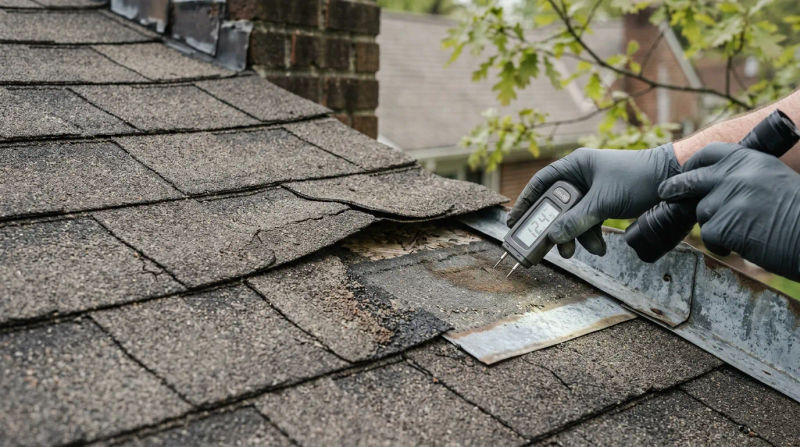
As a roofing specialist with over a decade of experience here in the Claymont area, I see a familiar pattern each spring. After the last frost thaws and the May sun starts to warm things up, homeowners begin their yard work and spring cleaning. While looking up at their homes, they might notice something seems a bit… off. A shingle edge looks slightly lifted, or there’s a dark patch that wasn’t there last fall. These aren't just cosmetic issues; they are often the first subtle warnings of winter damage. The culprit is usually the relentless freeze-thaw cycle our region endures, and May is the perfect window to address these problems before summer’s heat and thunderstorms turn minor flaws into major headaches.
Common Signs and Symptoms
After a long winter, your roof can show signs of stress in ways that aren't always obvious from the ground. From our team's experience performing countless post-winter assessments, we've compiled the most common Claymont DE freeze-thaw roof signs that every homeowner should look for. Catching these early can save you from costly and extensive repairs down the road.
- Shingle Nail Pops After Winter: This is one of the most frequent issues we see. During the freeze-thaw cycle, water that gets under a shingle can freeze around the fastener. As the ice expands, it can slowly push the nail upward, creating a raised bump under the shringle or even pushing the nail head through it. This “nail pop” breaks the watertight seal of your roof, creating a direct pathway for water to penetrate the underlayment and decking.
- Cracked or Failing Sealants: Your roof relies on sealants - caulking-like material - around vents, pipes, chimneys, and flashing to keep water out. These materials expand and contract with temperature changes. Over a winter, repeated freezing can cause them to become brittle and crack. Obvious roof sealant cracking symptoms include visible gaps, crumbling material, or sealant pulling away from the surface it's supposed to protect.
- Excessive Granule Loss: Take a look inside your gutters and at the base of your downspouts. If you see a significant accumulation of tiny, sand-like granules, it’s a sign that your asphalt shingles are aging and deteriorating. Ice and snow scraping against the shingle surface can accelerate this process, stripping away the protective top layer and leaving the underlying asphalt exposed to damaging UV rays.
- Lifted or Curled Shingle Edges: When water or wind-driven rain gets beneath the edge of a shingle and freezes, the expansion can lift the shingle away from the roof. Once lifted, it rarely settles back into place perfectly. This makes it highly susceptible to being torn off by wind and allows more water to infiltrate during the next rainstorm.
- Gutter and Fascia Damage: Ice dams are a major source of freeze-thaw roof damage. When snow melts and refreezes at the edge of the roof, it can create a heavy block of ice. This ice can bend metal gutters, pull them away from the fascia board, and even damage the roof edge itself, compromising your home's entire water drainage system.
- Interior Water Stains: The most alarming sign is one that appears inside your home. Check your attic, particularly under the eaves and around any vent pipes, for dark stains on the wood decking. If you see discoloration, water spots, or peeling paint on the ceilings of your upper floor, it means a leak has already been active for some time.
- Damaged Flashing: Flashing is the metal stripping installed in roof valleys and around chimneys, dormers, and skylights. It’s a critical barrier against water intrusion. Ice expansion can bend, lift, or create gaps in flashing, creating a prime entry point for leaks. This is especially true for the complex, multi-gabled rooflines found on many of the beautiful pre-1940s Craftsman and Tudor Revival homes in historic areas like Arden.
What Causes This Problem
The fundamental cause of this seasonal damage is simple physics. Water has the unique property of expanding by about 9% when it freezes. On a roof, this process becomes a powerful destructive force. Moisture from rain, snow, and ice melt seeps into microscopic pores and tiny cracks in your shingles, sealants, and masonry. As temperatures in Claymont dip below freezing, that trapped water turns to ice and expands, acting like a tiny wedge that pushes materials apart and widens the initial crack.
When the temperature rises, the ice melts, and water flows deeper into the newly enlarged crevice. The next freeze repeats the process, ratcheting the damage open a little more each time. A single Delaware winter can put your roof through dozens of these cycles. This relentless expansion and contraction is what leads to shingle nail pops after winter, causes sealants to fail, and gradually degrades the integrity of your entire roofing system.
For older homes, especially the unique Arts and Crafts-style properties built in the early 20th century, the original materials and construction methods can present specific challenges. Their complex roof structures, with numerous valleys and dormers, provide more areas where water and ice can accumulate, making them particularly vulnerable to the effects of freeze-thaw roof damage.
When to Call a Professional
Identifying potential problems is the first step, but knowing when to call for help is crucial for ensuring your home’s safety and longevity. Some initial checks can be done safely from the ground, but a thorough diagnosis almost always requires an expert eye.
What you can check yourself:
- From the ground: Walk around your property and use binoculars to get a closer look at your roof. Look for the obvious signs mentioned above, like lifted shingles or visible cracks around your chimney.
- Gutters: Safely check your gutters for excessive granule buildup after you've cleaned them for the spring.
- Indoors: Regularly inspect your attic and top-floor ceilings for any signs of water staining.
When professional help is necessary: Getting on a roof is inherently dangerous without the proper safety training and equipment. Our technicians undergo rigorous safety training and use standardized procedures to ensure every inspection is performed safely and thoroughly. A qualified professional should be called if:
- You notice any of the signs listed above, even if they seem minor.
- You suspect damage but cannot see it clearly from the ground.
- Your roof is more than 15 years old and hasn't had a professional inspection in over a year.
- You live in an older home with a complex roofline, as these require a trained eye to spot vulnerabilities in valleys and around flashing.
An experienced professional won't just look at the surface. A proper assessment involves checking the condition of the decking, the state of the underlayment, the adequacy of ventilation, and the integrity of all flashing points - a comprehensive analysis that a homeowner simply cannot perform from the ground.
Conclusion
Winter in Claymont is tough on every part of a home, but your roof bears the brunt of the assault. The subtle damage caused by the freeze-thaw cycle can quietly compromise your home’s primary defense against the elements. By taking the time this May to look for the key Claymont DE freeze-thaw roof signs - from granule loss to roof sealant cracking symptoms - you are making a smart, proactive investment in your property.
Don’t wait for a summer thunderstorm to reveal a leak that has been developing all winter. Addressing these issues early is always less disruptive and more cost-effective than dealing with an emergency repair later. Think of it as preventative care for one of your home's most important assets.
If you notice any of these signs, contact a local roofing professional for an inspection. They can provide a detailed assessment and help you create a plan to ensure your roof is ready for the seasons ahead.